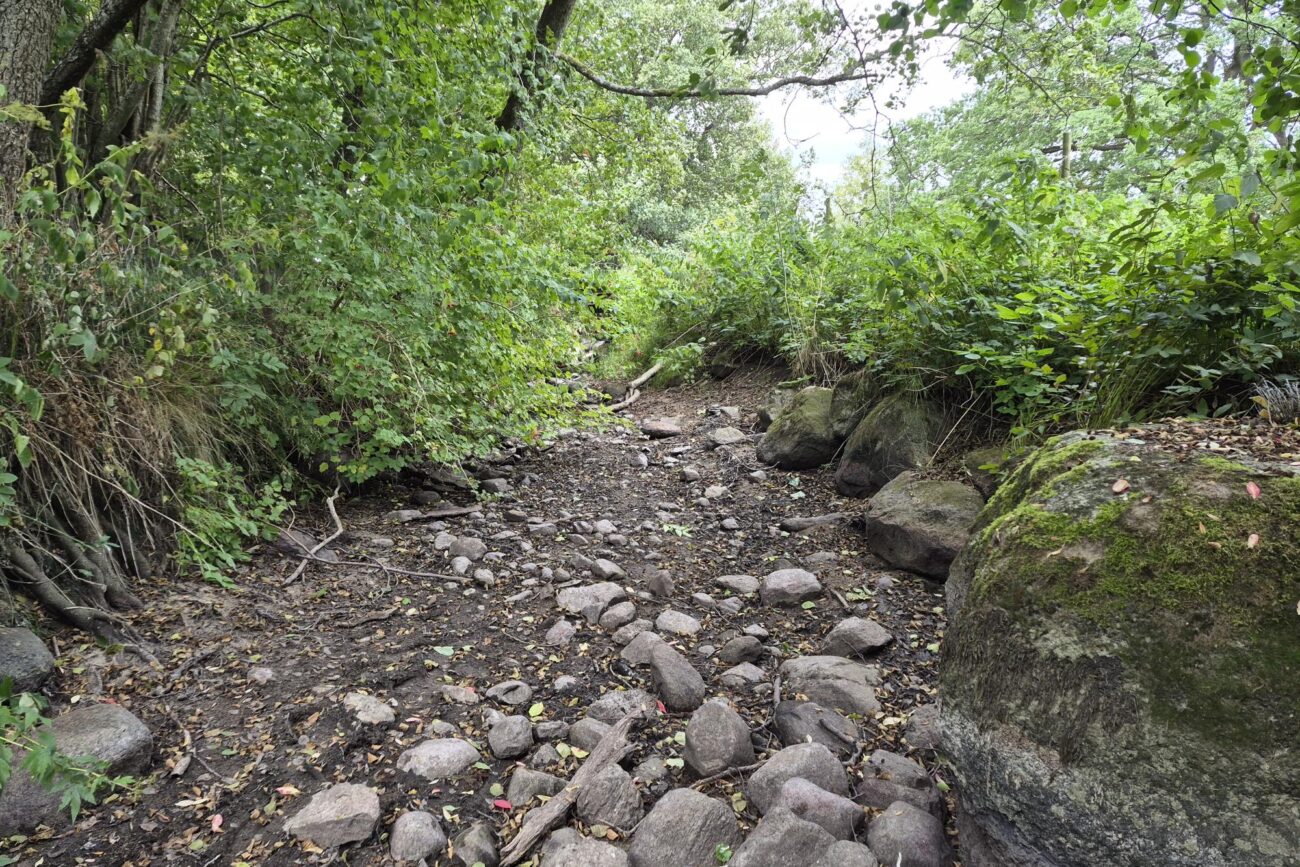
Rescue Operation for Thousands of Mussels
Throughout the summer, there have been frequent reports of rivers with extremely low flows, some of which have even dried up. In one of the project’s target rivers, the Bråån—which is part of the…
Improve Aquatic LIFE
News, films and results from the restoration of rivers, wetlands and coastal waters in southern Sweden.
Throughout the summer, there have been frequent reports of rivers with extremely low flows, some of which have even dried up. In one of the project’s target rivers, the Bråån—which is part of the…
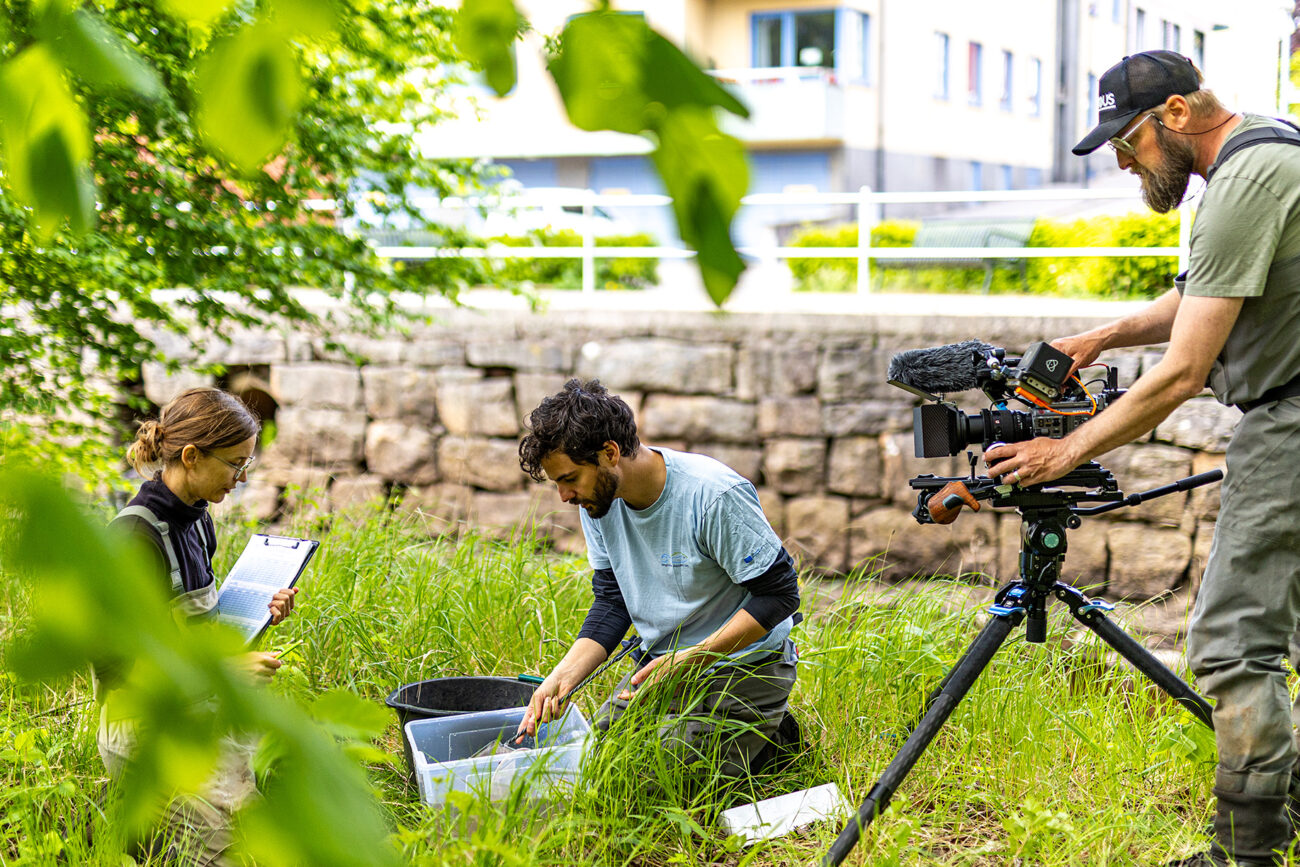
It has existed on Earth for more than 400 million years. But today, the sea lamprey is one of Sweden’s most endangered…
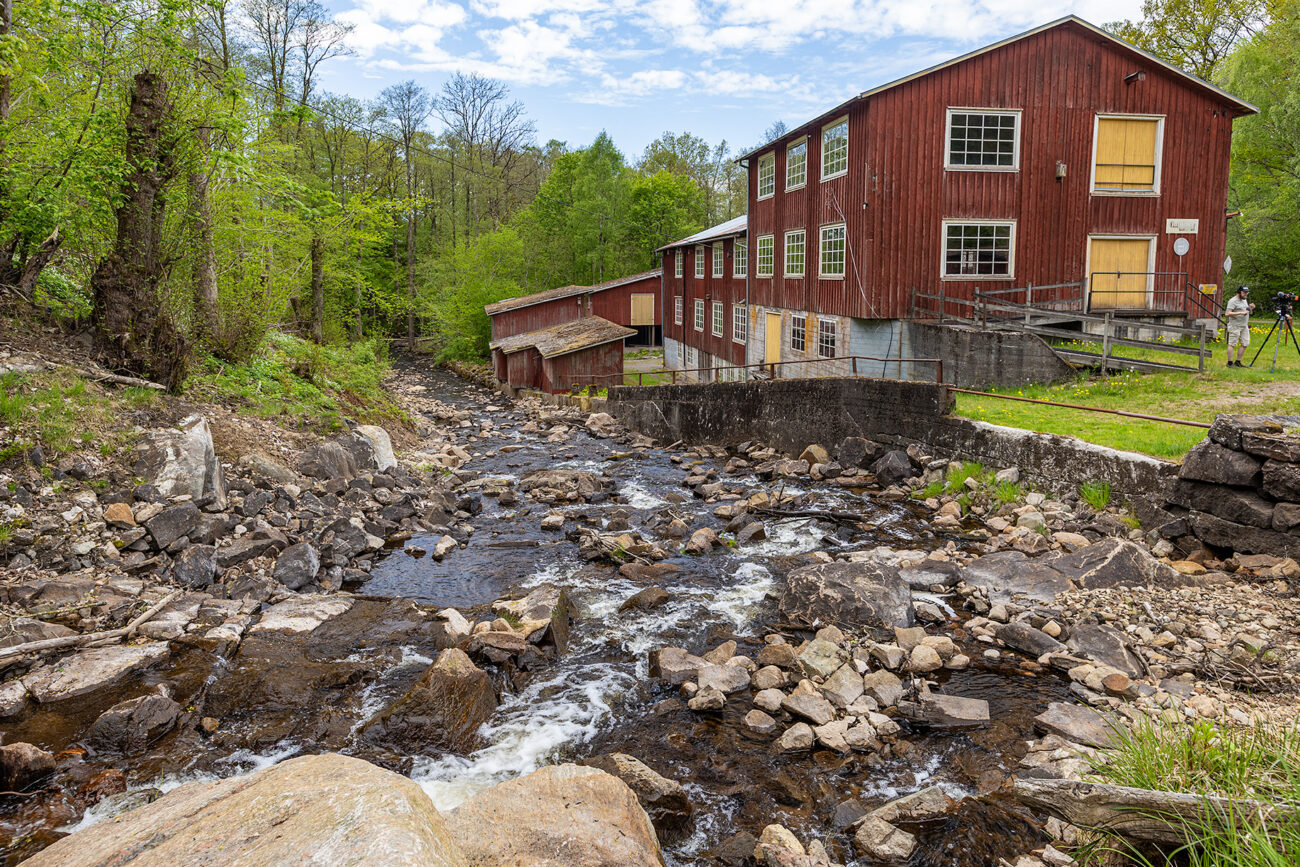
When the waterway was opened at Okome Mill in Stockån, fish were able to move freely upstream through the water system. Spawning…
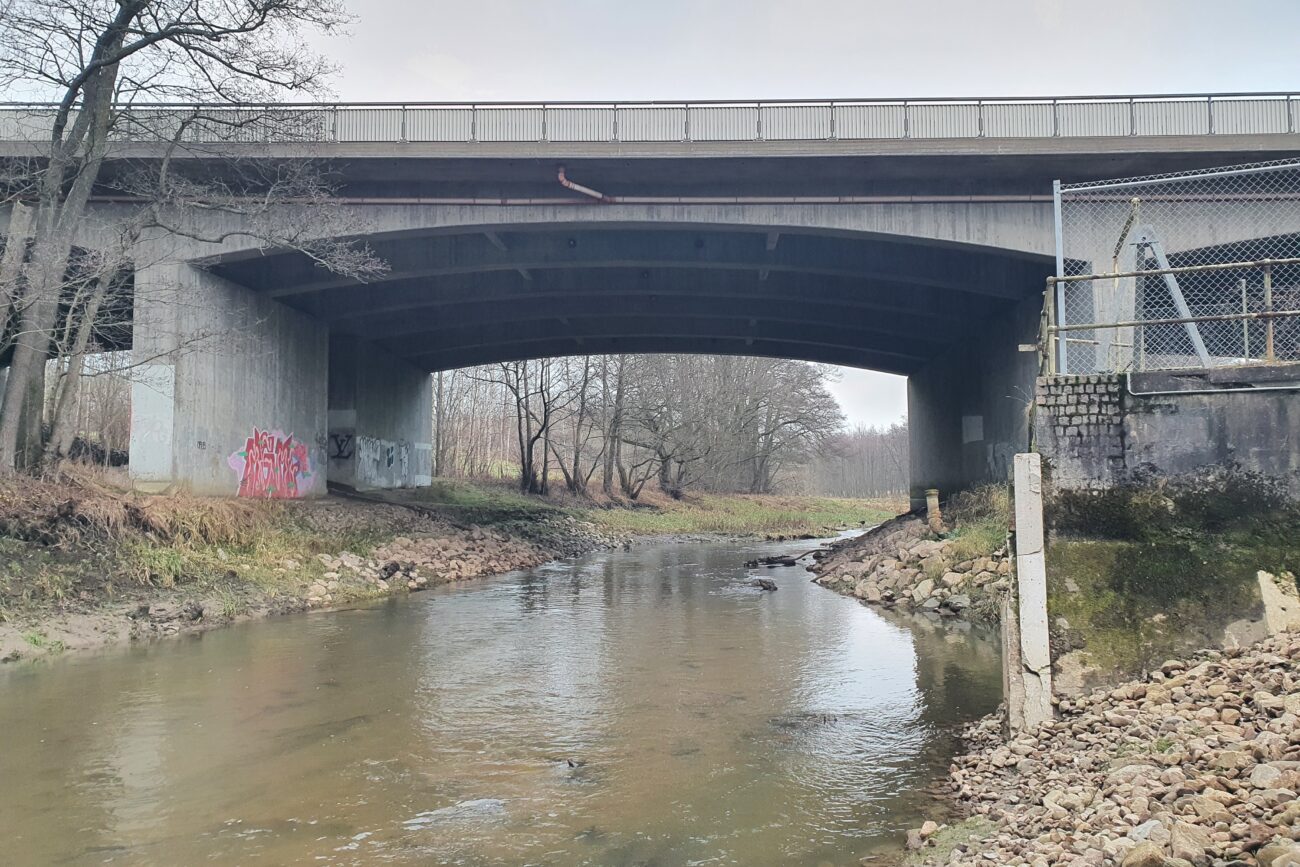
After the City of Helsingborg removed the Görarpsdammen dam on the River Råån in 2025, a new fish counter was installed upstream…
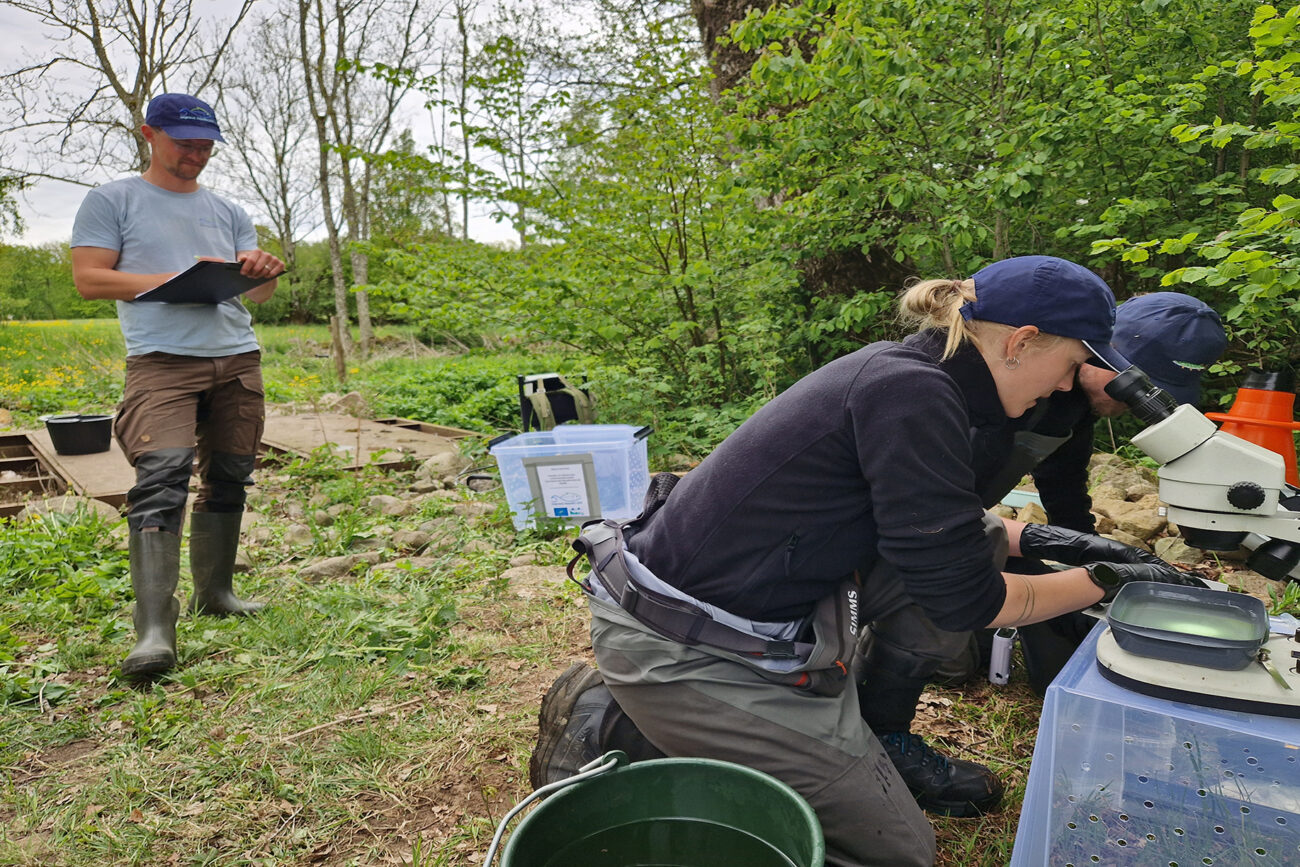
In May, efforts to strengthen the populations of the threatened Thick shelled river mussel were launched. Through targeted measures in Vramsån, Bråån…
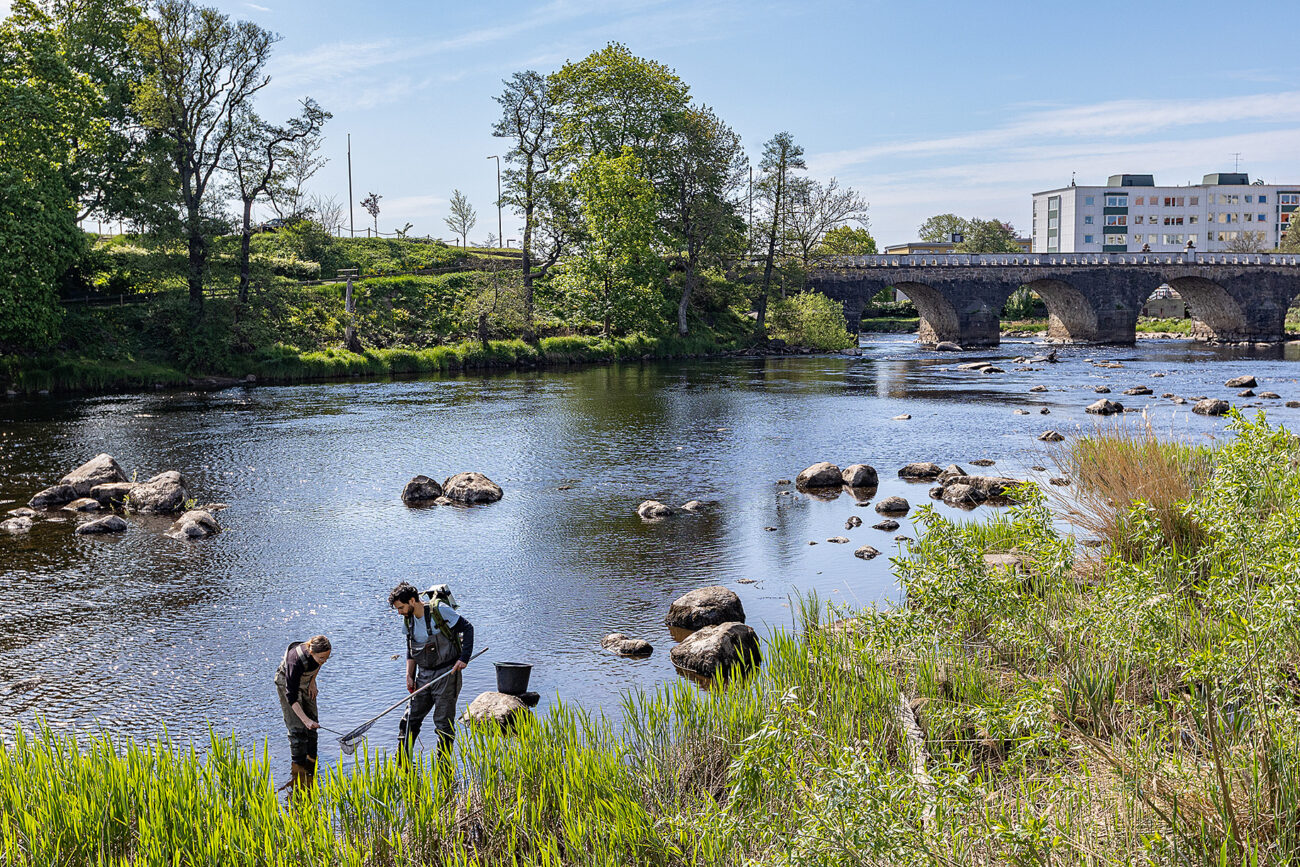
The sea lamprey is an ancient group of fish that existed long before the age of dinosaurs - but today the species…
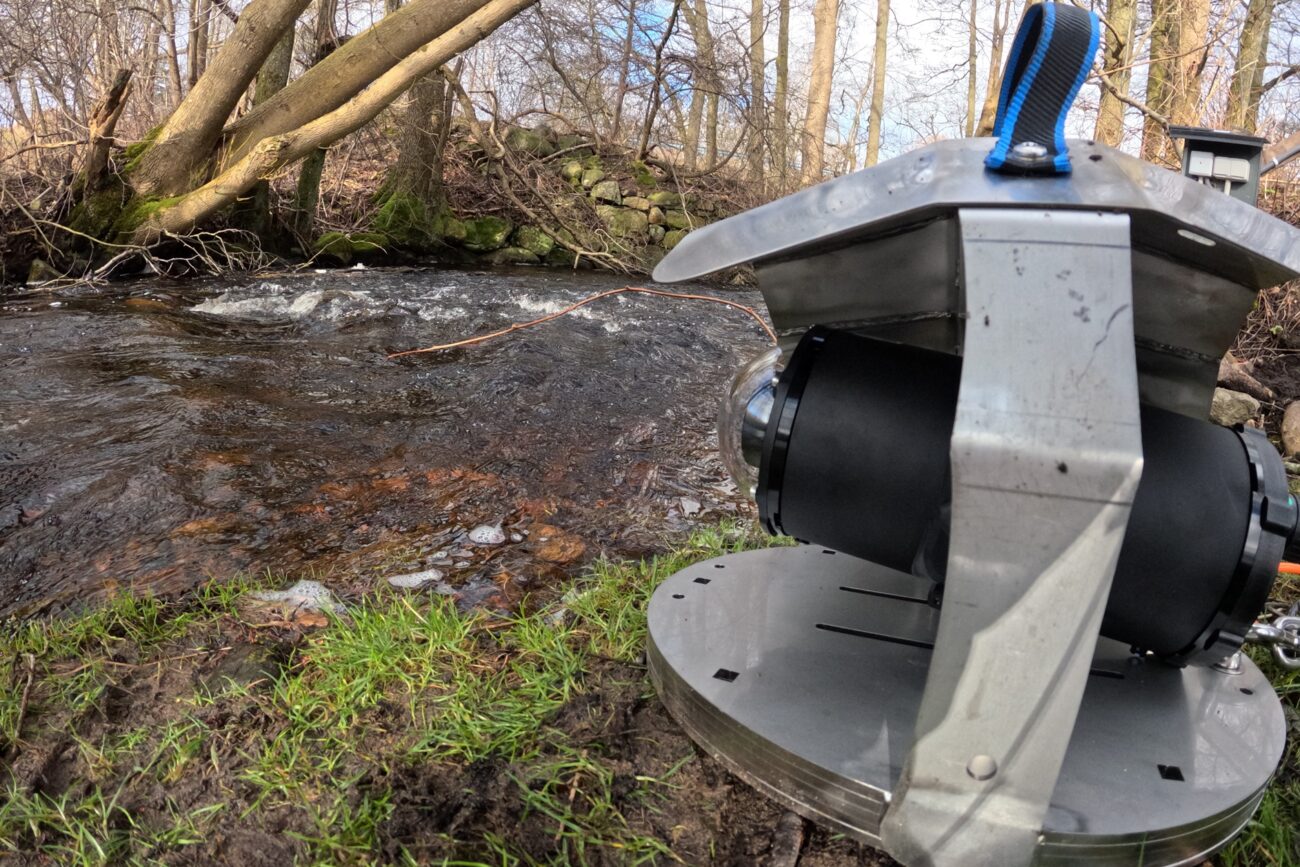
We have now placed a fish camera at Okome in Stockån to monitor what is happening in the river. The camera is…
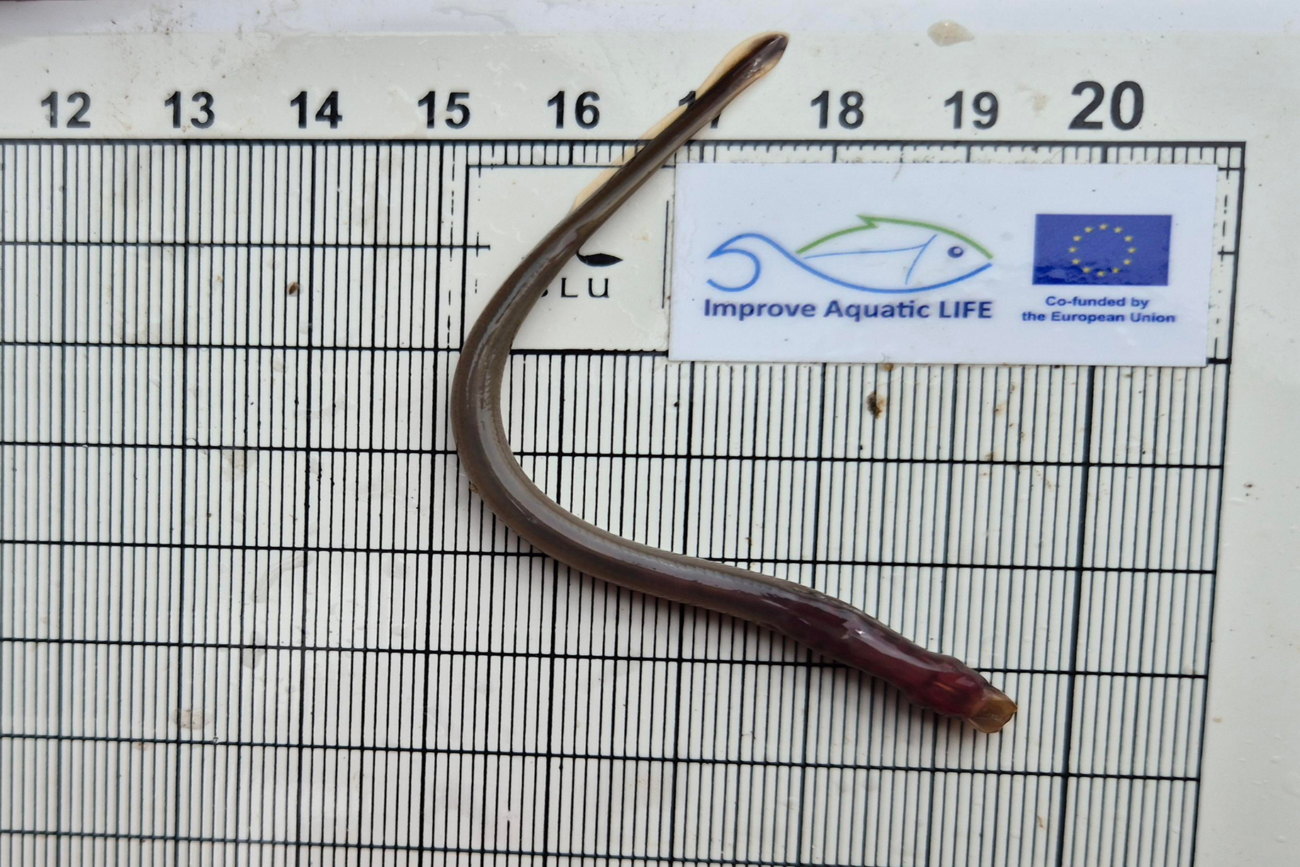
The endangered sea lamprey, which is a target species in the project, starts to migrate up from the sea to its spawning…
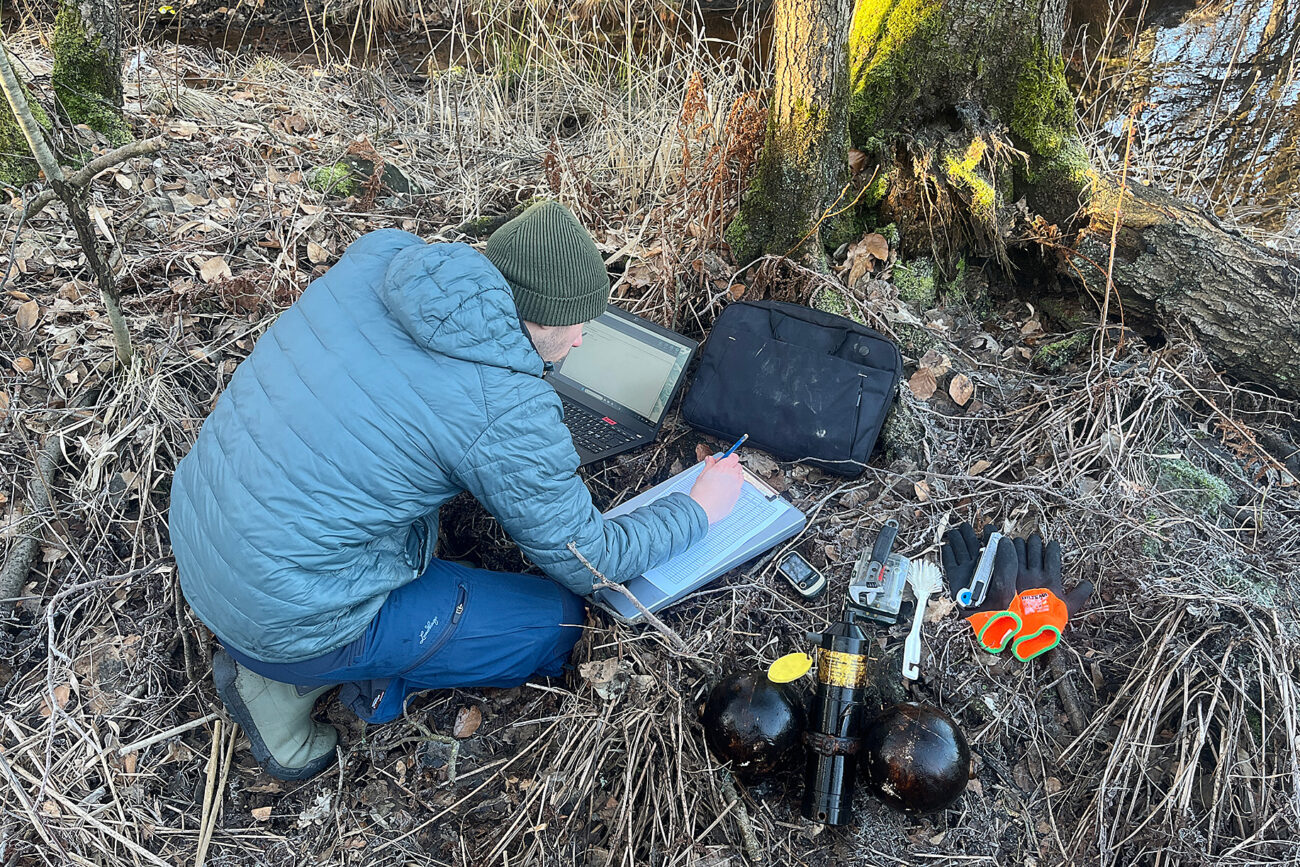
What happens below the surface is often a mystery. How do fish move through our rivers? Where do they stop - and…
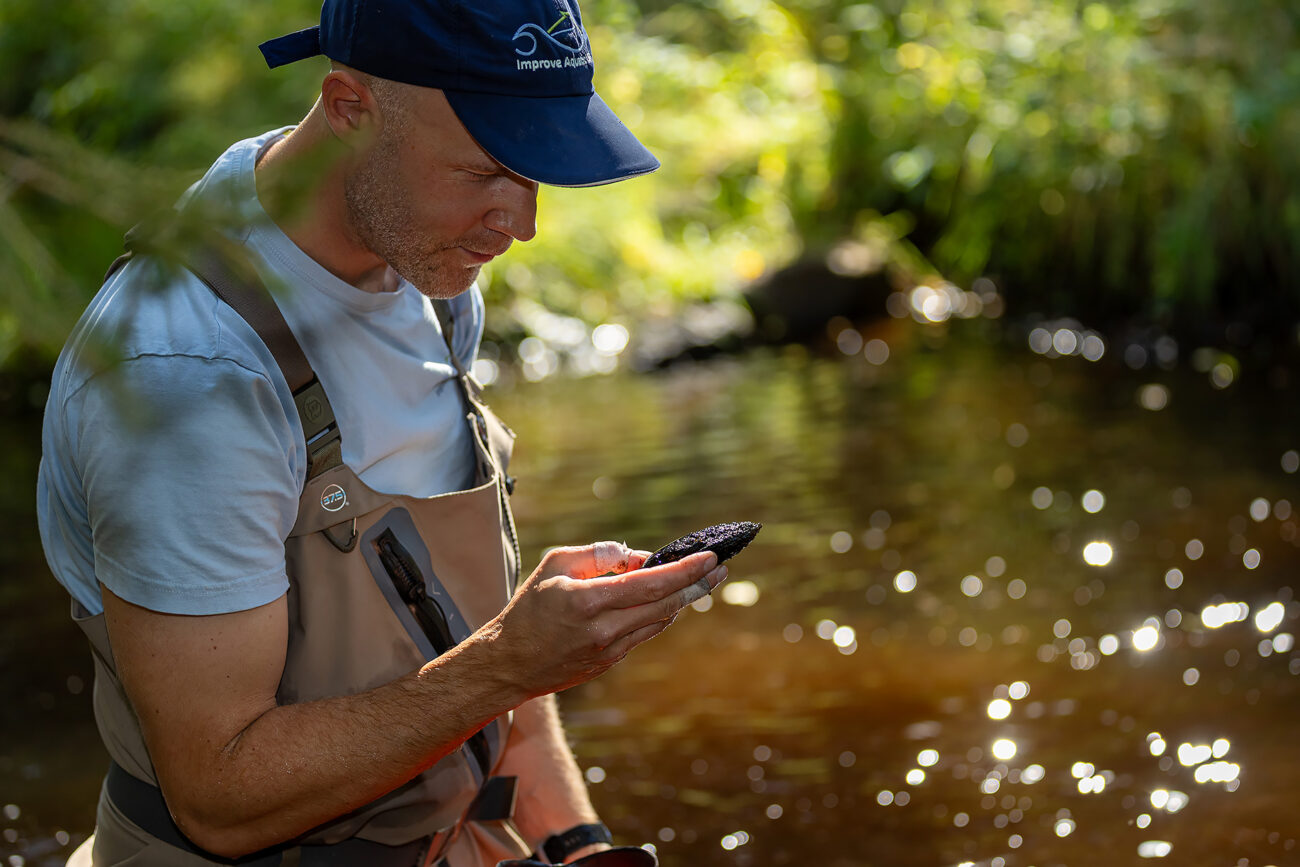
Now the spotlight is on two of our most fascinating - and threatened - underwater inhabitants: Freshwater pearl mussel and Thick shelled…