
River Lyckebyån
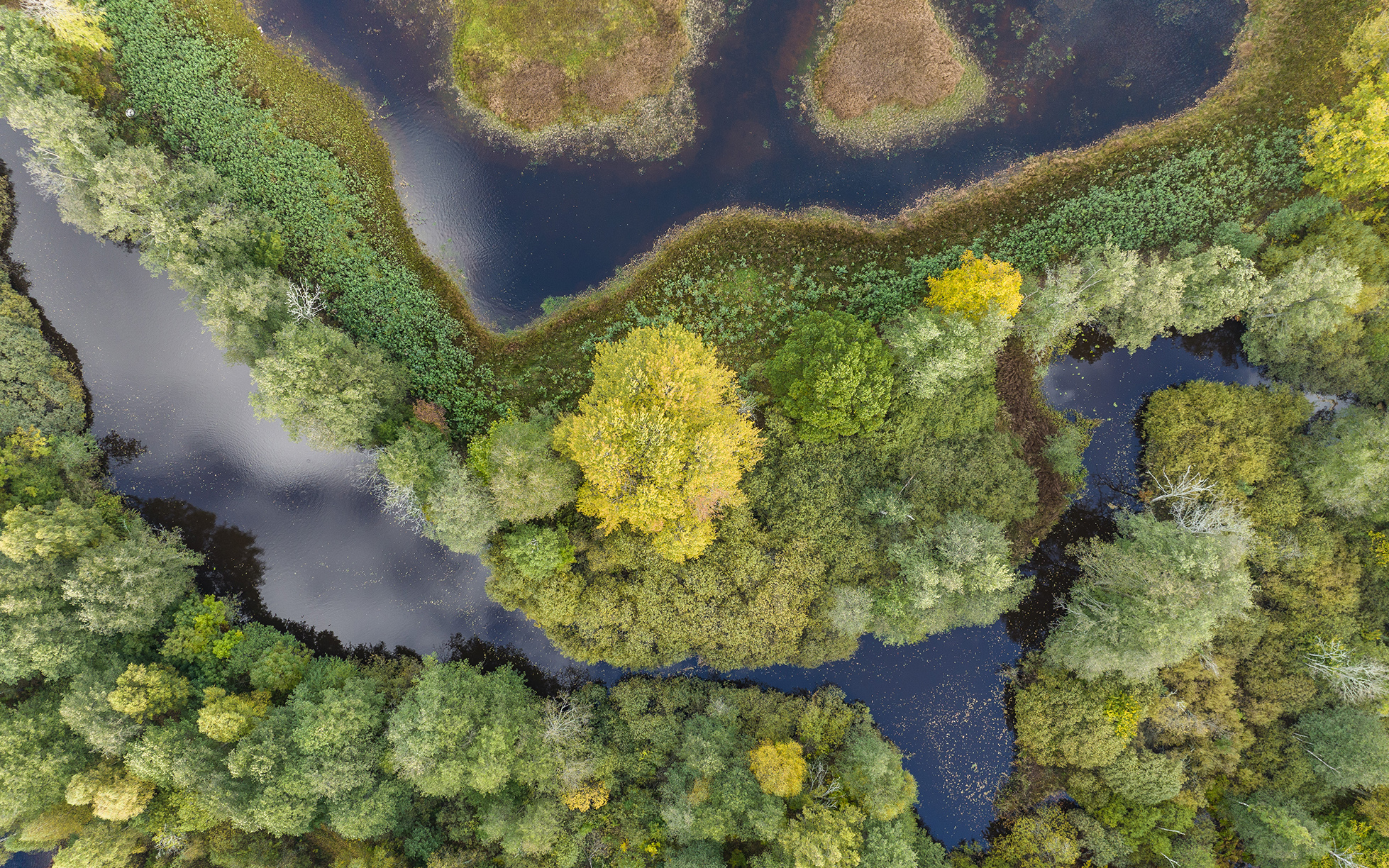
Trout, otter and Freshwater pearl mussel in sight
River Lyckebyån is a river in southeastern Sweden, about 100 kilometers long, with a catchment area of 811 km². The river, which flows through Kalmar and Blekinge counties before entering the Baltic Sea at Lyckeby, is an important source of drinking water for Karlskrona and Emmaboda municipalities.
River Lyckebyån is particularly important for the reproduction of sea trout in the lower reaches. In addition to trout, there are species such as ide, brook lamprey, dace, whitefish, perch, pike, Eurasian minnow and Freshwater pearl mussel. However, the stock of Freshwater pearl mussel is weak and no rejuvenation is currently taking place. Otters and hairstreaks also occur along the river.
Historical gutting, lake lowering and hydropower development have had an extensive impact on the River Lyckebyån water system. Power plant and mill dams have reduced connectivity in the water system and affected the distribution of aquatic organisms.
Several restoration projects underway
To counteract the negative effects and restore large parts of the river’s ecosystem, several restoration projects are being carried out, including under GRIP on LIFE. The measures include restoration of wetlands, biotope management and improvement of connectivity by removing migration barriers.
Collaboration improves status, preserves species and resilience to climate change
Through collaboration between municipalities, fisheries management area associations and other stakeholders, efforts are being made to achieve good ecological status in the River Lyckebyån, preserve threatened species and increase the water’s resilience to climate change. Karlskrona municipality and other stakeholders are working to create fishways and restore important habitats. The River Lyckebyån valley Natura 2000 site contains floodplain deciduous forest and species such as Freshwater pearl mussel and otter. Conservation measures focus on improving water quality, creating natural flow dynamics and restoring riparian zones.
The River Lyckebyån valley Natura 2000 site contains floodplain deciduous forest and species such as Freshwater pearl mussel and otter.
Improve Aquatic LIFE actions
Improve Aquatic LIFE is implementing actions with a particular focus on water holding capacity, biodiversity and connectivity. A key element is the restoration of wetlands south of the Värma Lake outlet Natura 2000 site. This will improve the natural hydrology of the river and strengthen ecosystem functions.
The project also includes habitat management and restoration of riparian zones to benefit species such as Freshwater pearl mussel and its host fish, trout. By restoring important habitats and improving water quality, the conditions for sustainable populations of these species will increase. These efforts complement the work already underway to improve connectivity and restore stretches of river.
Specific measures to save the Freshwater pearl mussel
The conservation status of the Freshwater pearl mussel in the River Lyckebyån is critical, and there is no documented regeneration, which threatens the survival of the species. Therefore, specific measures are also planned to strengthen the population by infesting mussel larvae on their host fish so that they develop into small mussels. Without such efforts, the population risks disappearing completely.
Synergies achieve multiple objectives
The measures within Improve Aquatic LIFE and the work of the municipalities and other organizations complement each other and provide synergy effects that together contribute to achieving the conservation objectives in River Lyckebyån’s Natura 2000 areas, favorable conservation status for designated species and habitats and the environmental quality standard good ecological status according to the EU Water Directive.


Freshwater pearl mussel survival depends on host fish
Barriers to migration
Removing migration barriers and opening up the river pearl mussel’s host fish, salmon and trout, will increase the species’ ability to reproduce. Barriers to migration come in many forms, from natural to man-made dams and power plants. In some cases, a good solution may be to build a wildlife passage to allow fish and other organisms to bypass the migration barrier.
River Lyckebyån
Latest news from the project area
Here you can read news about the target species and the actions being taken in the project area.