In Slussebäcken, a tributary river to Billan in Eda municipality, the County Administrative Board of Värmland is planning to replace an old road culvert that currently blocks fish migration. By tagging and tracking fish with PIT tags, researchers and project staff are investigating how this measure can improve connectivity within the river.
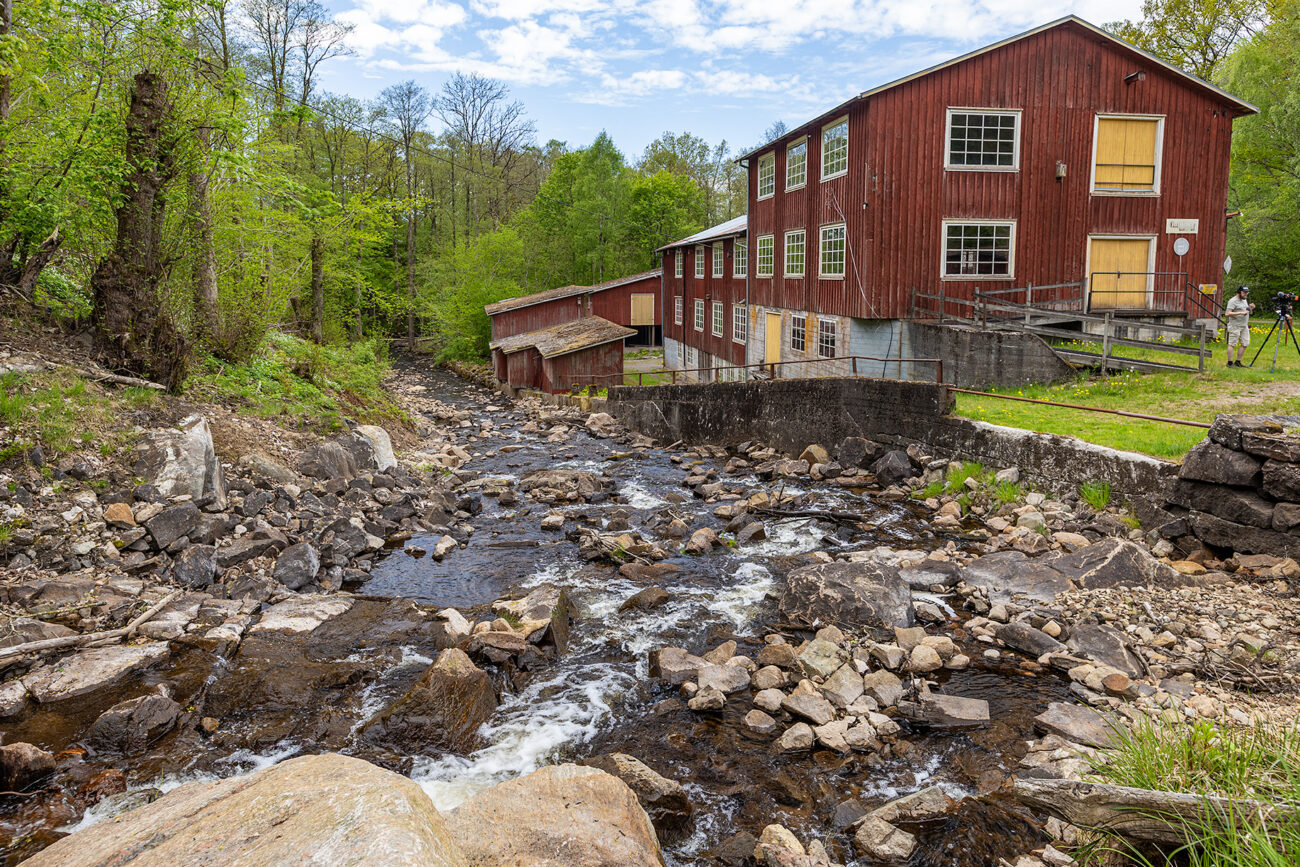
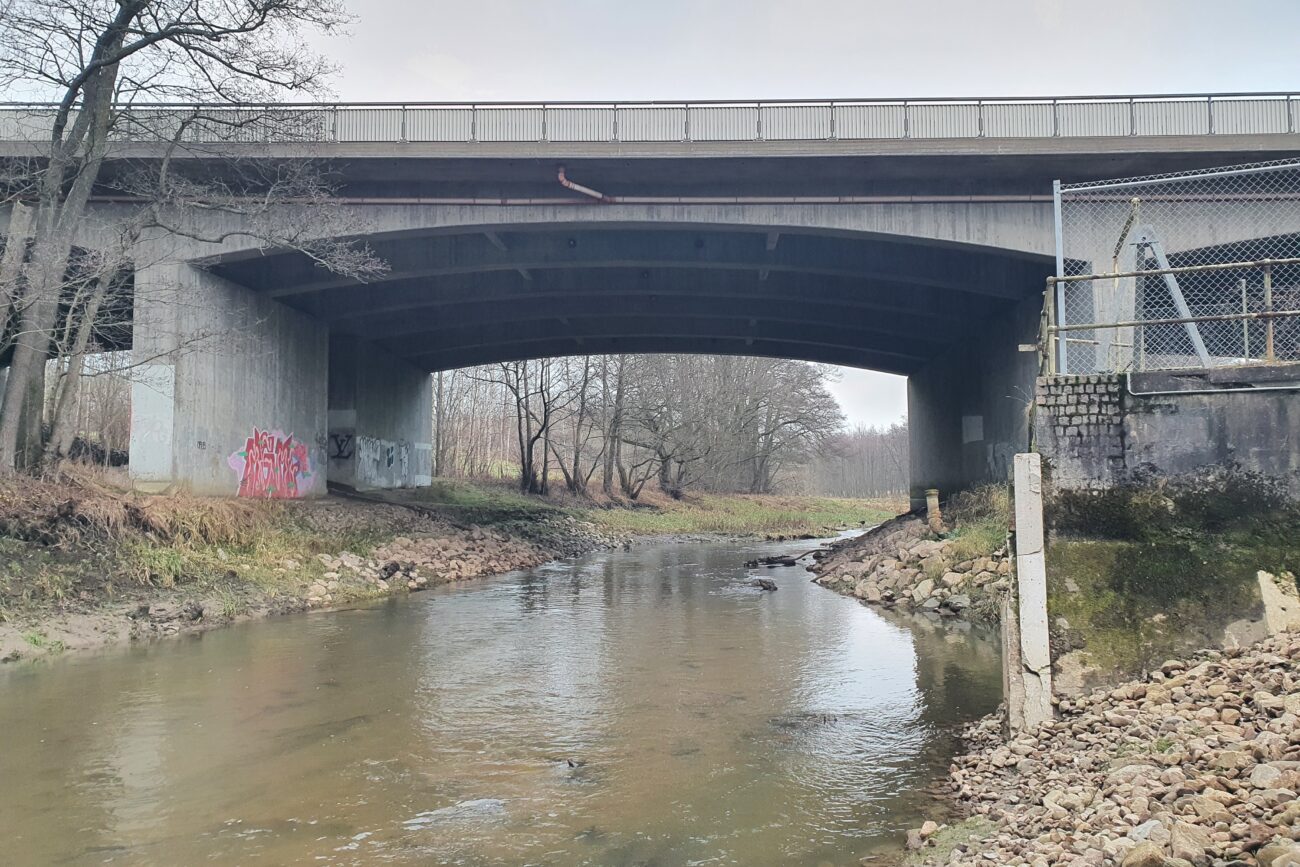
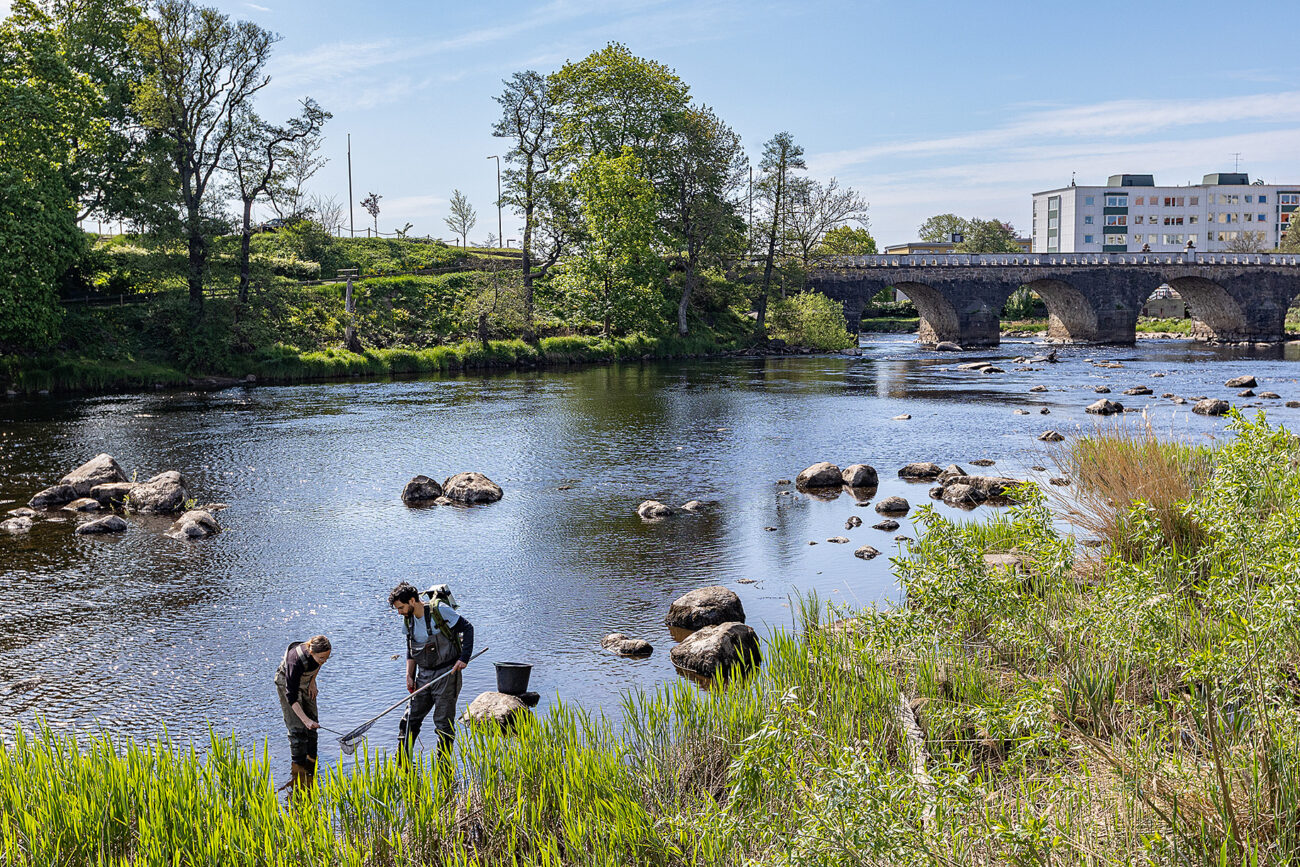
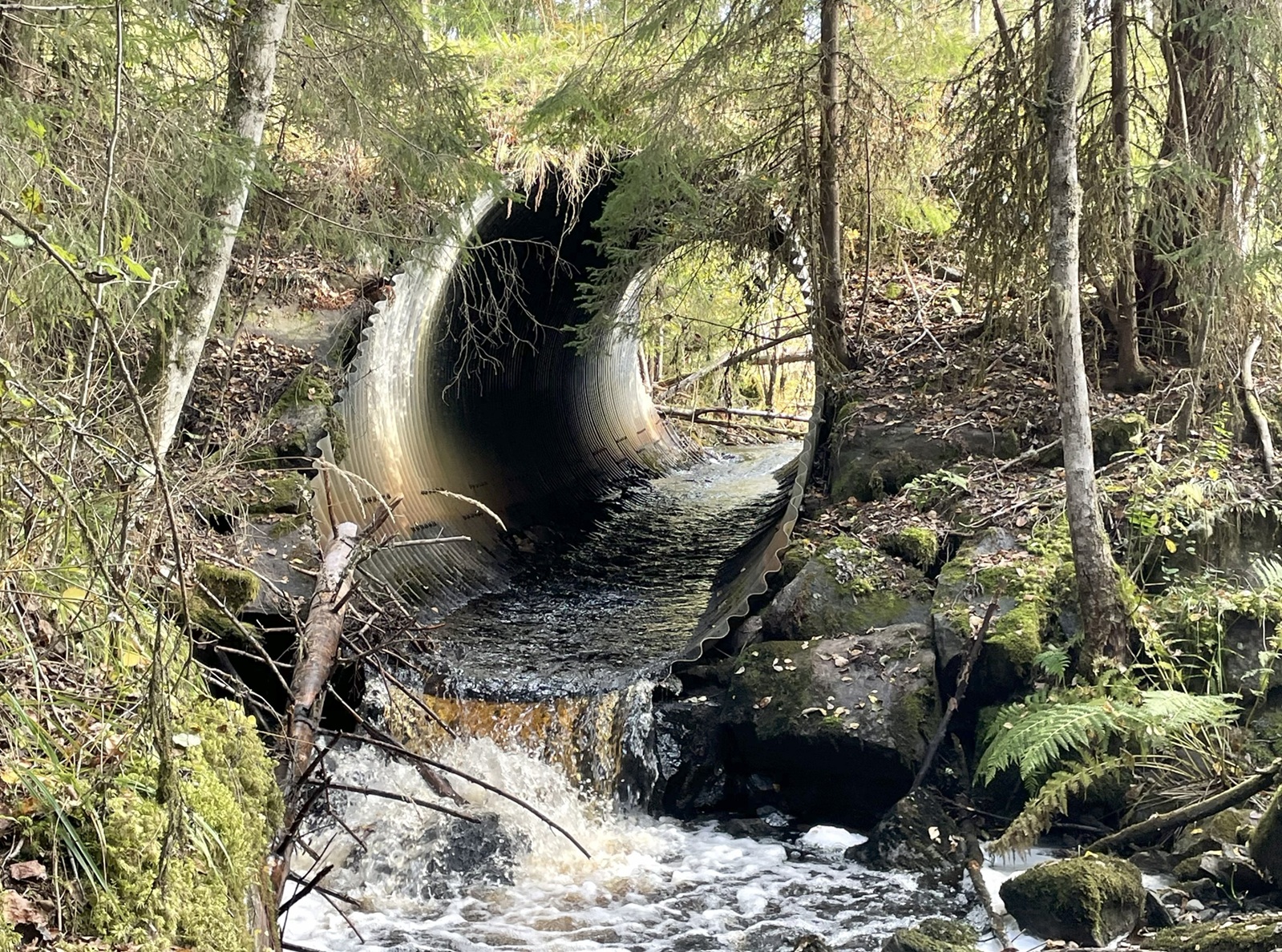
Within the Billan river basin, which is part of the Natura 2000 network, there are a number of tributaries. One of these is Slussebäcken located in Eda municipality. A few hundred meters upstream of its outlet into Billan there is a large road culvert that currently constitutes a partial migration barrier. The culvert has been prioritized for replacement within the Improve Aquatic Life project.
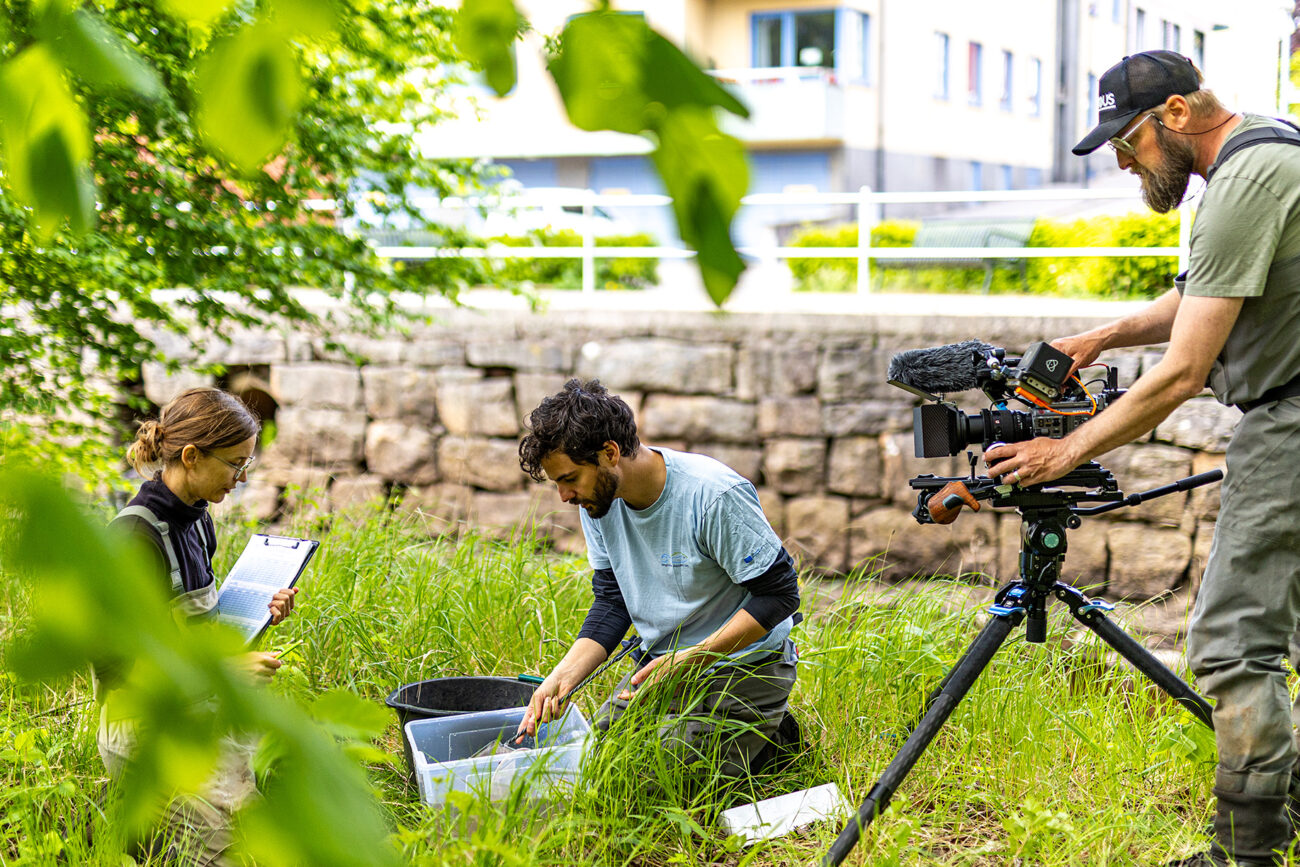
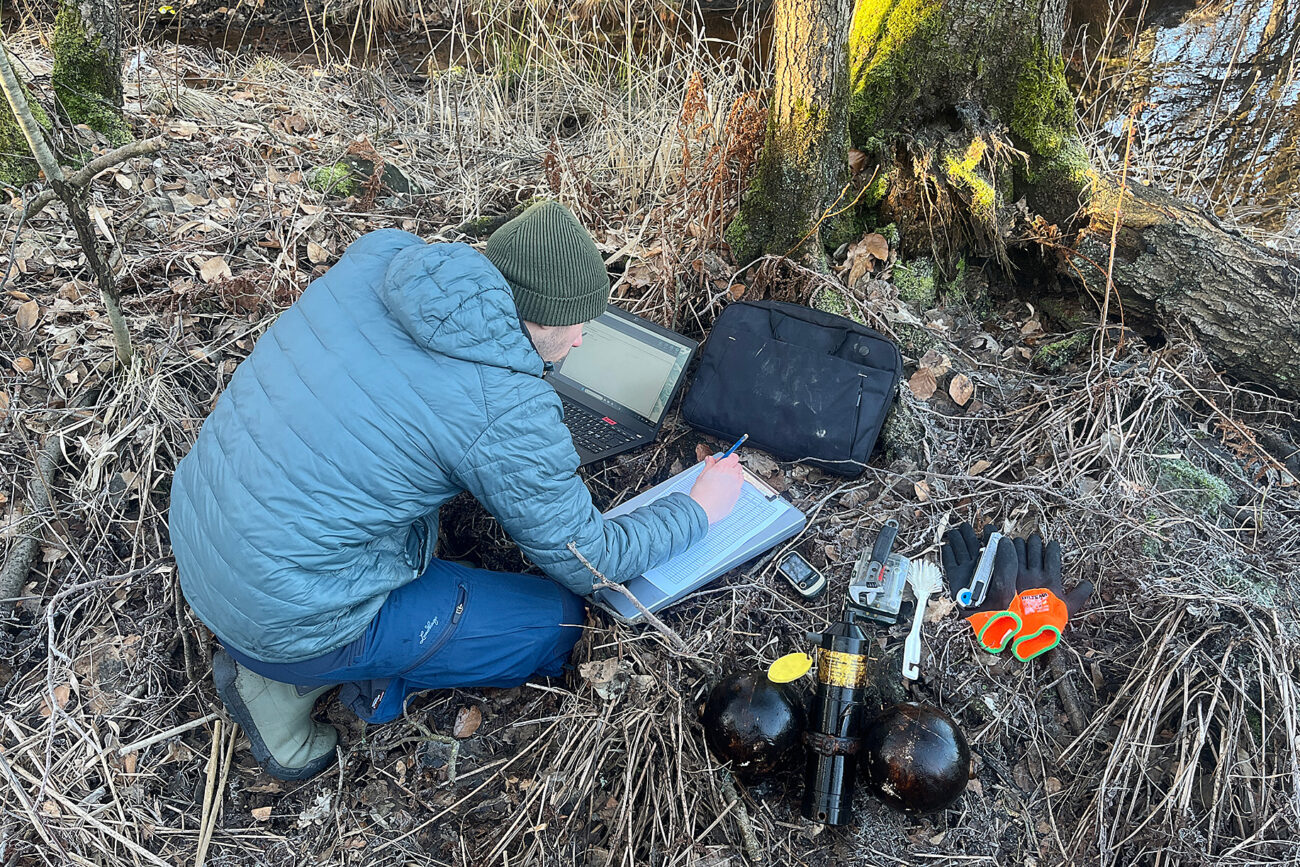
The culvert is positioned high, which creates a threshold and a drop that makes it difficult for weak-swimming species to move freely in the river. in addition, the bottom of the culvert is also corroding, causing water to flow underneath it at low flows. To study the ability of the fish community to move within the river, the County Administrative Board of Värmland, in collaboration with Karlstad University, has chosen to conduct a pit tag marking of fish both downstream and upstream of the culvert. By electrofishing sections of 20 meters, tagging captured fish and then releasing them back into the same section, important information about fish movement patterns along the river can be collected.
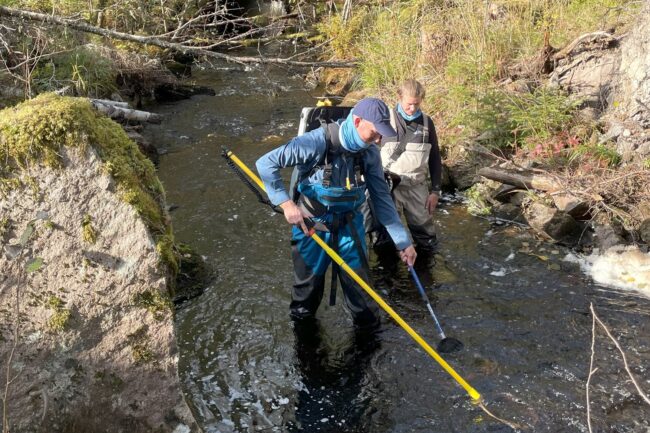
Electrofishing in Slussebäcken. Photo Jonatan Johansson
The information we collect can be used to monitor the effect of the culvert replacement.
The information we collect can be used to monitor the effect of the culvert replacement. We want to see what happens to fish movement patterns and whether the measure creates the right conditions for increased movement within the river,” says Jonatan Johansson, sub-project manager for connectivity within Improve Aquatic LIFE.
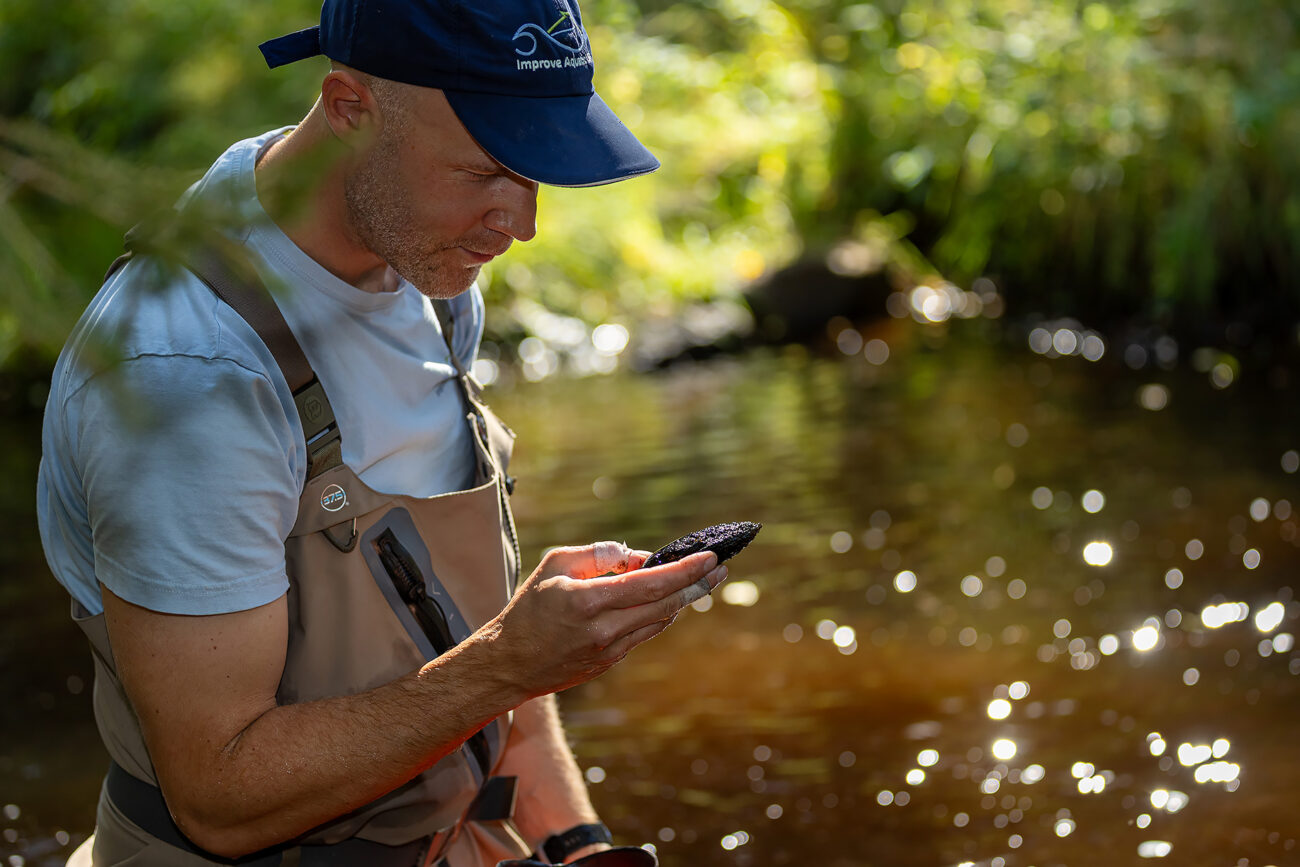
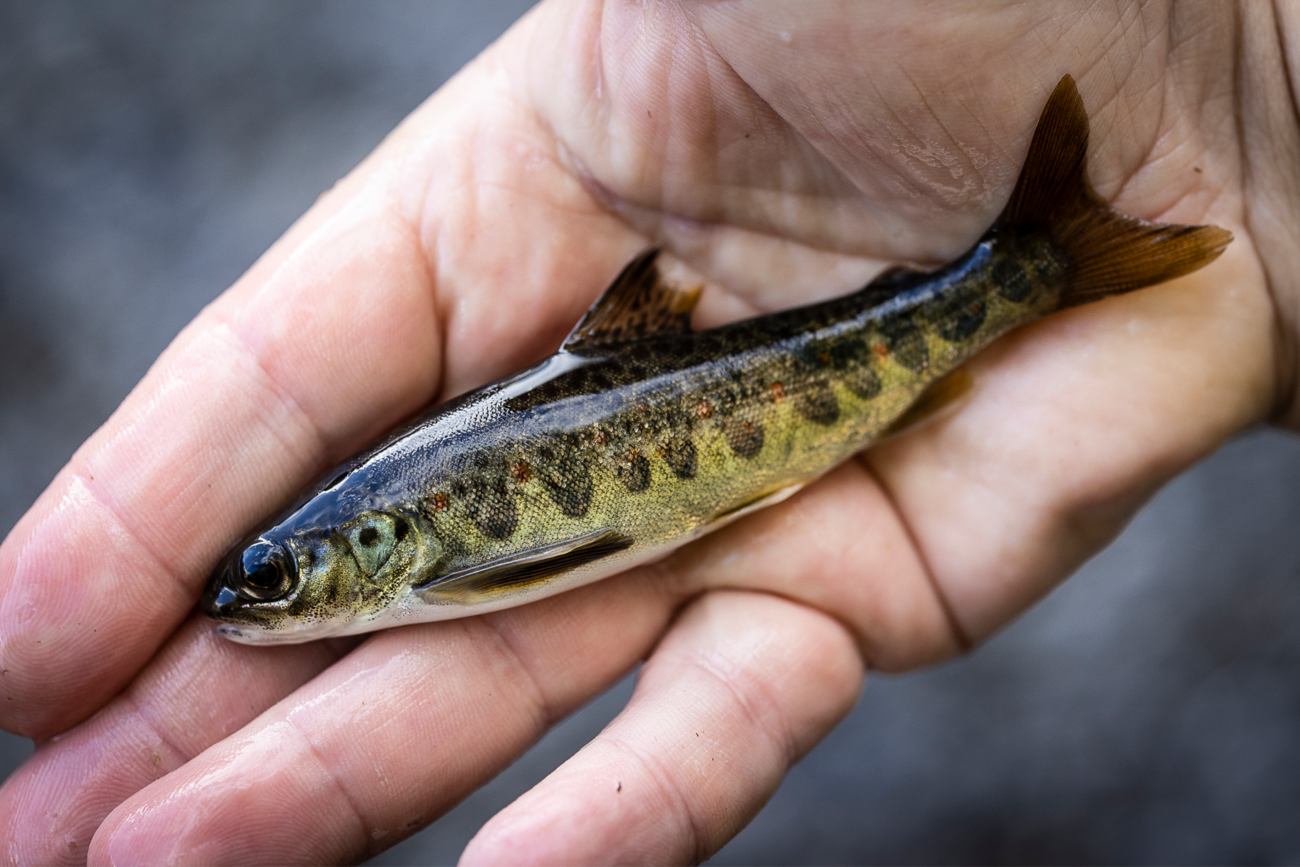
in total, 15 brown trout, 2 salmon and one pike were tagged downstream of the culvert. Upstream of the culvert a total of seven trout were tagged.
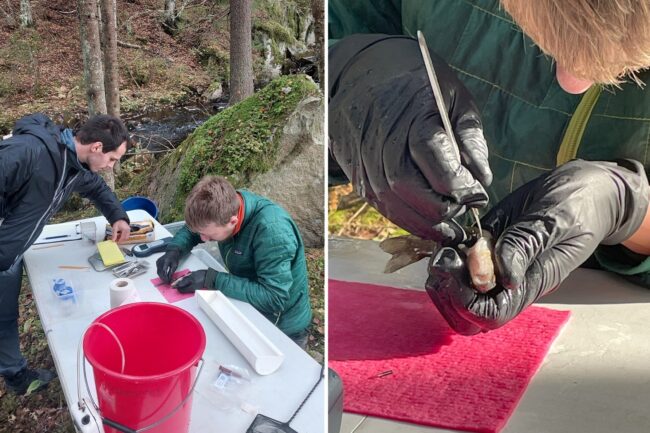
Tagging of fish in Slussebäcken. Photo Jonatan Johansson
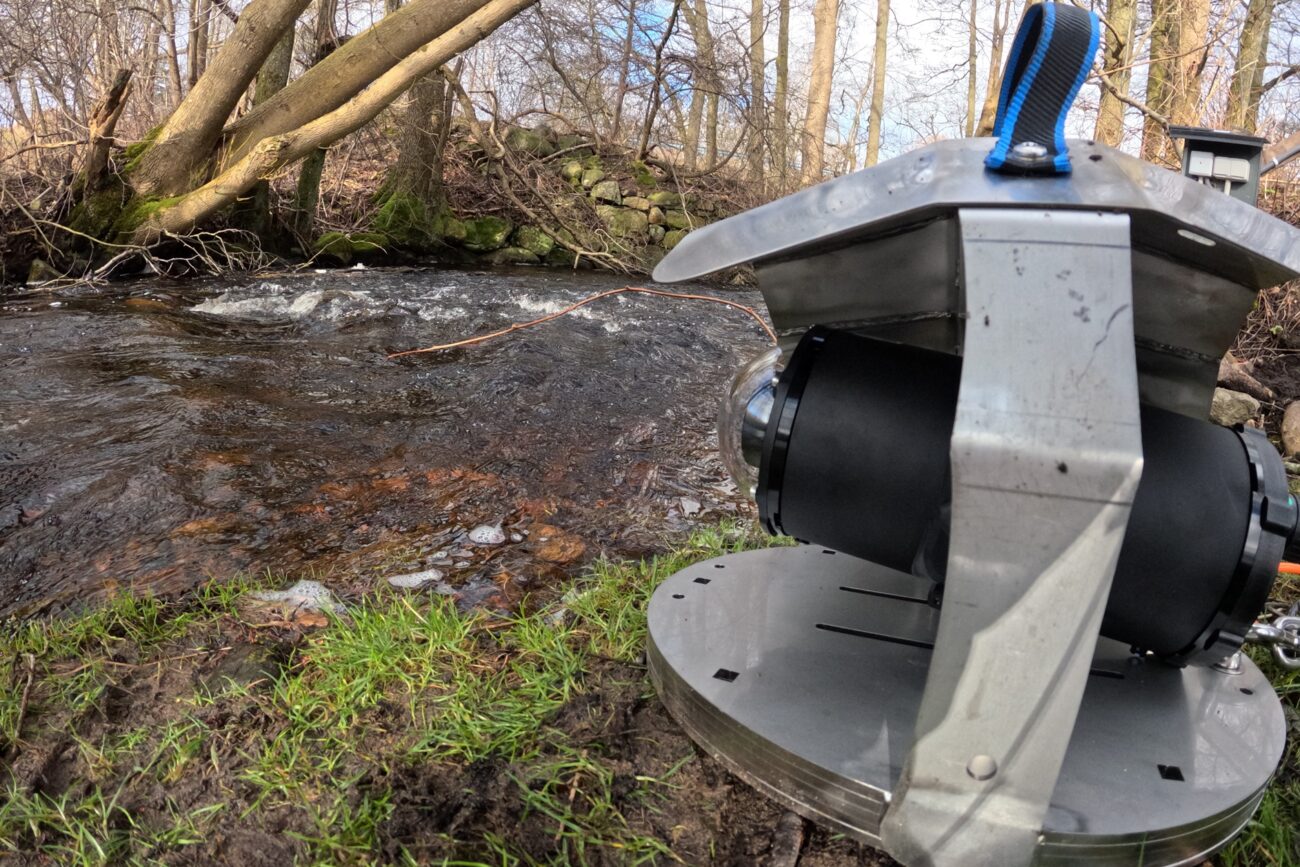
At the return visit 2 weeks later, the river was scanned for tagged fish. A total of six brown trout were found, five of which were found at their respective tagging sections downstream of the culvert. Most of the brown trout found were yearlings. However, one larger trout tagged just downstream of the culvert was found upstream of the culvert.
– The results show that larger fish are able to migrate past the current culvert. Further studies in connection with the culvert replacement will show whether other species and yearlings of trout can also manage the same migration, says Jonatan Johansson.
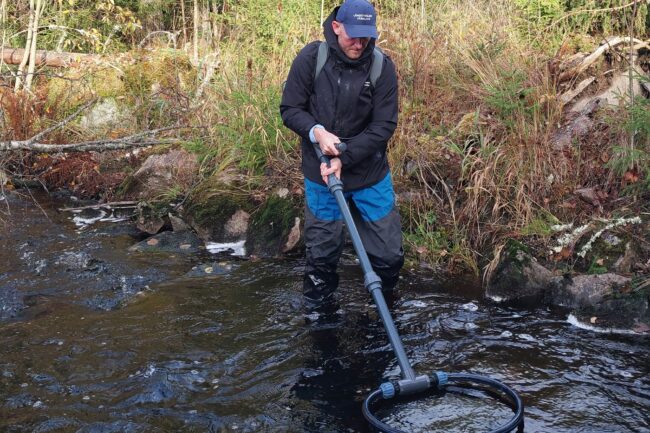
Scanning for tagged fish in Slussebäcken. Photo Jonatan Johansson