

In Improve Aquatic LIFE we work within different thematic areas. These include improving connectivity in rivers, improving habitats in rivers and coastal areas, improving the hydrological regime by restoring the landscape´s water-retention capacity and improving conditions for our target species salmon: sea lamprey, thick-shelled river mussel and freshwater pearl mussel. For each theme, we have a thematic coordinator whos role is, among other things, to ensure that we take advantage of the results and experiences we gain within the project through documenting the learning.
Improved connectivity
Improved connectivity – to improve the ability of animals and plants to move upstream and downstream in the rivers, we will remove migration barriers. To improve the connection between the water and its riparian zone, we will restore the floodplain along the rivers. Along the coast, we will improve the possibility for animals and plants to spread along the shallow areas by opening up a few piers.
Improved morphology
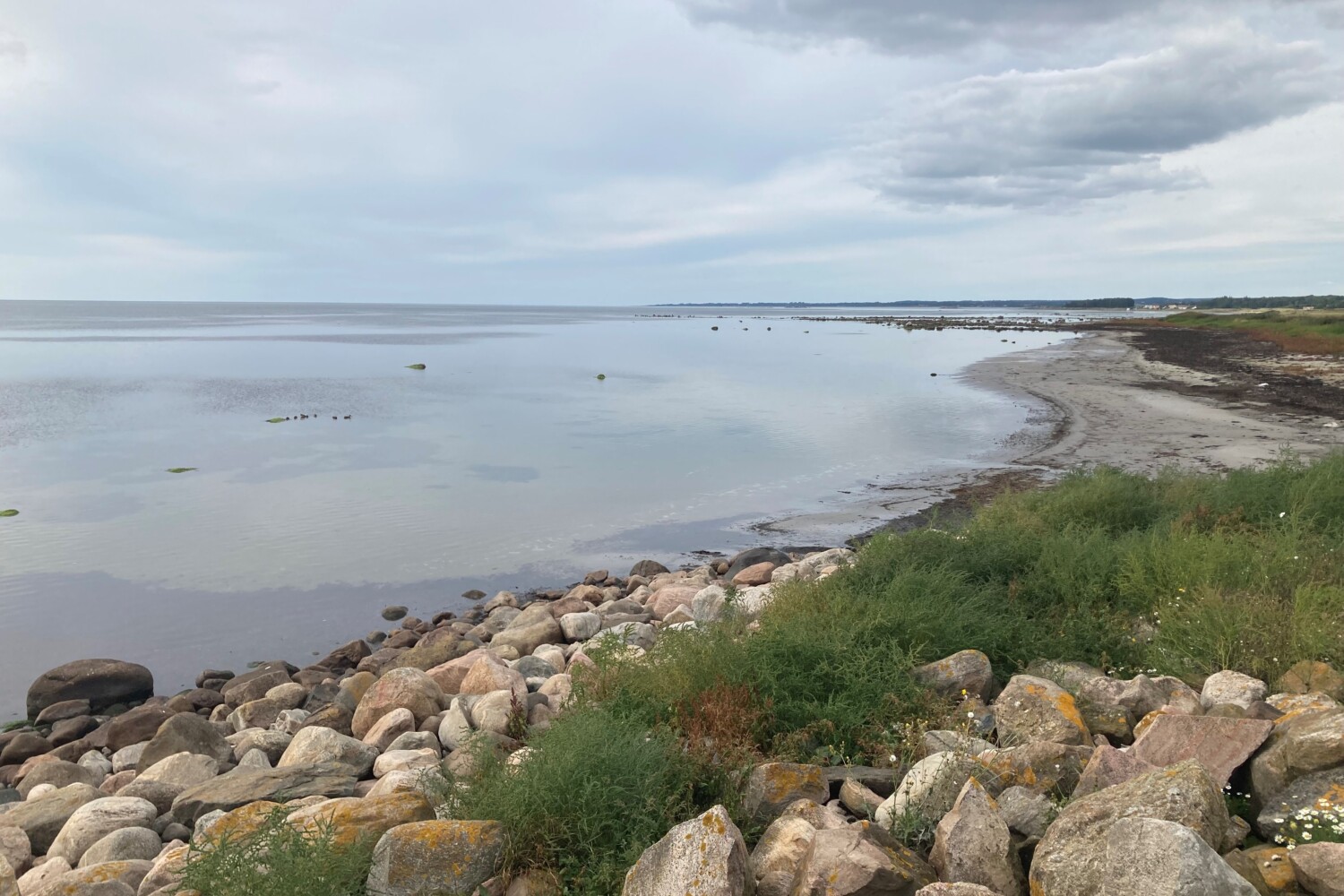
Improved morphological restoration – to improve habitats in rivers and coastal waters, we will restore flowing waters for species such as salmon and trout, and calmer waters (so-called backwaters) for species such as sea and river lamprey. On the coast, we will restore stone reefs that have disappeared due to ‘stone fishing’ and eelgrass beds, which are important nursery areas for many fish species.
restore stone reefs lost through ‘stone fishing’
Improved hydrology
Improved hydrological regime – to improve the landscape`s ability to retain water during heavy rainfall so that water is available during dry periods, thus reducing the risk of floods and droughts, we will recreate wetlands. This will include plugging ditches to rewet bogs and mires, raising lowered lakes and restoring or creating open wetlands in agricultural and forestry landscapes.
Improved reproduction
Improving the conservation status of target species – to improve habitats and strengthen populations of our target species, mussel host fish will be infested with mussel larvae in rivers where the species no longer reproduce. For sea lamprey, sandbanks and backwaters will be created in rivers where the species still exists to increase the reproduction opportunities.
Theme coordinators
For our different thematic areas, we have a theme coordinator. Their task is to coordinate work within the project and support partners in implementing actions. An important part of their role is also to capture and document the results and experiences gained within the project, in order to share knowledge and inspire further measures to improve connectivity, habitats, hydromorphology and status of endangered species.